Art Theory
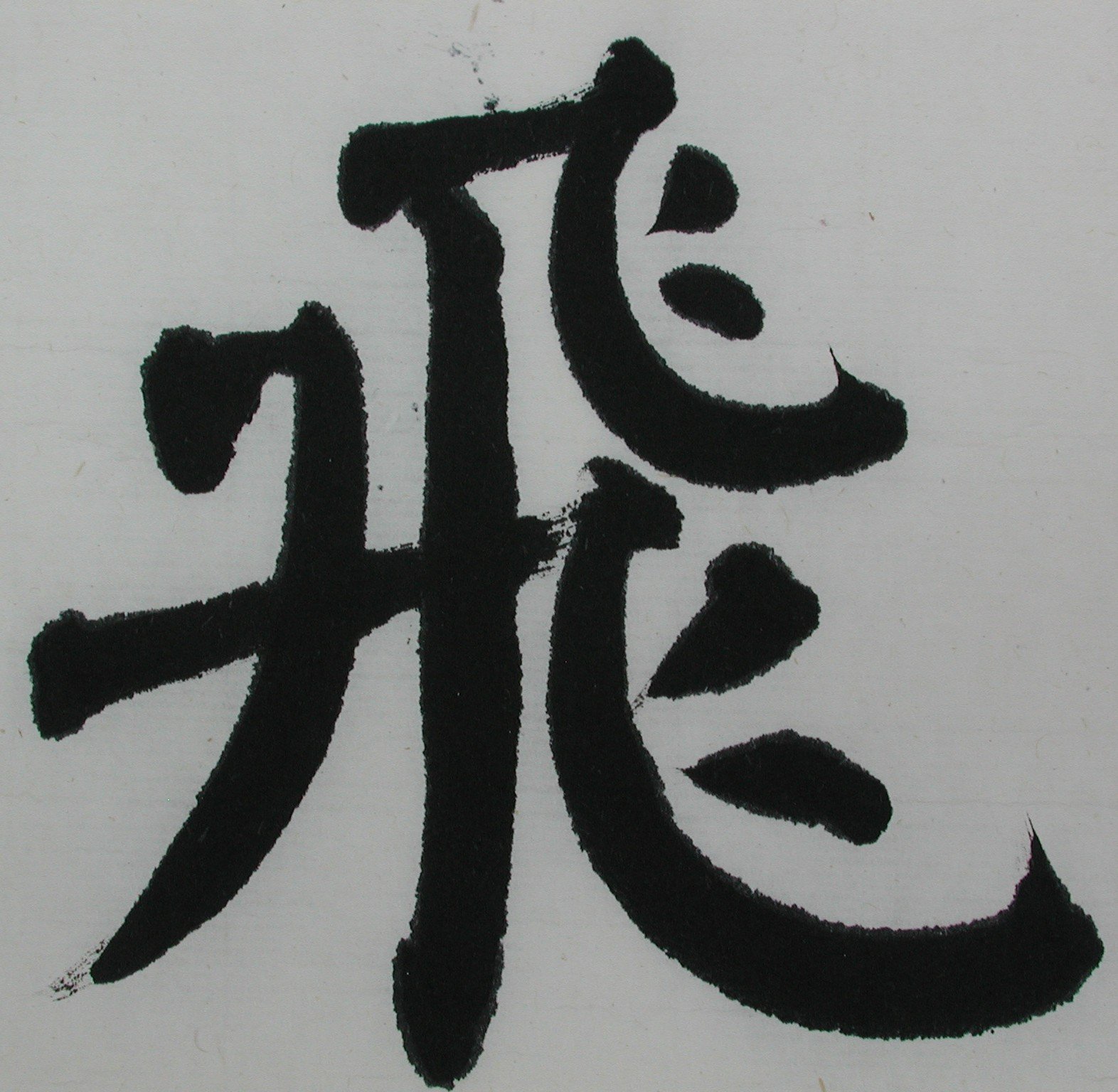
Chinese calligraphy is a unique visual art form due to the pictographic nature of Chinese words, immense variation in structure and complexity, and the flexible cone-shaped brush which can make strokes extremely rich in forms. First of all, they convey meaning through their content. Secondly, they are appreciated as a visual two-dimensional image, or even a three-dimensional sculpture, depending on the materials used in their creation. Furthermore, through the repetition, variation, and progression of dots, lines, and spaces, brushstrokes guide the viewer’s eye through their pathway, completing the appreciation in the fourth dimension of time, a characteristic feature of music and dance. These features help express the emotions of the artist and, in turn, evoke similar sentiments in the viewer.
Through thousands year development, Chinese calligraphy leaves us with a great legacy: the form of line. The characters have a square or rectangular configuration and are arranged more or less in a columnar and linear form, which gives the viewer a sense of harmony and order. This shape and overall arrangement are naturally required for the reading function as a medium. But in today’s fast-changing world, Chinese calligraphy has become a pure art form. Therefore, incorporating other vital visual factors, such as modeling of individual characters and the holistic composition of the entire piece, as well as, rhythm, color, texture, perspective, spatial effect, and ambient scenery, into calligraphy may increase its potential for artistic expression and its appeal to younger generations in the future.
My experiment is attempting to accommodate the multiple factors as described above to integrate poetry, calligraphy, and painting in a unique bond in their mutual dependence.
This is a continuously evolving exploration, suggestions and criticisms are sincerely welcome.

1976
1977
实验思路
中国书法是一种特殊的视觉艺术。中文有复杂多样的结构,锥形毛笔可以产生千变万化的笔触,加上可追踪的笔触行进轨迹,使书法不仅有着视觉艺术的形式, 还有着音乐和舞蹈艺术的时间性。这些特点不但使它的书写者在创作过程中能够表达自己的情感,它的观赏者也享受到心里上的共鸣。
传统书法着重于笔触的美感, 也讲究结体和章法。书写文字的行列排列使书法作品具有相似团块重复的和谐美。然而,文字书写的纵横排列使线条只能在规定的空间里流动,从而缺少绘画般的整体构图。这种排列也使线条的连续性不得不经常断裂, 而不容易形成完整的节奏和韵律。另外, 除了黑白对比以外,传统书法基本没有利用色彩,质感,透视, 和背景烘托等效果。书法作品多以诗文为载体, 如何使线条的造型符合文字内容的意境也是值得探讨的课题。作者试图利用尽可能多的艺术手段来增强书法的表现力,使诗书画融为一体。我把它称为写意书法。这是一个持续不断的探索过程,衷心地欢迎建议和批评。
****************
實驗思路
中國書法是一種特殊的視覺藝術。中文有複雜多樣的結構, 錐形毛筆可以產生千變萬化的筆觸, 加上可追蹤的筆觸行進軌跡, 使書法不僅有著視覺藝術的形式, 還有著音樂和舞蹈藝術的時間性。這些特點不但使它的書寫者在創作過程中能夠表達自己的情感, 它的觀賞者也享受到心理上的共鳴。
傳統書法著重於筆觸的美感, 也講究結體和章法。 文字的排列使書法作品具有相似團塊重複的和諧美。然而, 文字書寫的縱橫排列使線條只能在規定的空間裡流動, 從而缺少繪畫般的整體構圖。這種排列也使線條的連續性不得不經常斷裂, 而不容易形成完整的節奏和韻律。另外, 除了黑白對比, 傳統書法基本沒有利用色彩, 質感, 透視, 和背景烘托的效果。書法作品多以詩文為載體, 如何使線條的造型符合文字內容的意境也是值得探討的課題。作者試圖利用盡可能多的藝術手段來增強書法作品的表現力, 使詩書畫融為一體。我把它稱之為写意書法。這是一個持續不斷的探索過程, 衷心地歡迎建議和批評。